



Hitclub - Thay đổi đại sứ thương hiệu Angela Phương Trinh tặng 999K
Bảng Thống Kê Hiệu Suất Nạp Thẻ Cào & Khuyến Mãi 80% (Theo Tháng)
| Nhà mạng tích hợp | Tổng lượt nạp (Tháng) | Tổng doanh thu nạp (VND) | Tỷ lệ khuyến mãi | Tổng tiền thưởng phát ra (VND) | Tỷ lệ hoàn thành doanh thu |
| Viettel Telecom | 145.000 | 43.500.000.000 | 80% | 34.800.000.000 | 94.5% |
| Vinaphone | 98.000 | 24.500.000.000 | 80% | 19.600.000.000 | 91.2% |
| Mobifone | 72.000 | 18.000.000.000 | 80% | 14.400.000.000 | 88.7% |
| Vietnamobile | 25.000 | 5.000.000.000 | 80% | 4.000.000.000 | 82.1% |
| TỔNG CỘNG SYSTEM | 340.000 | 91.000.000.000 | 80% |
CHÍNH SÁCH NẠP TIỀN QUA MẠNG DI ĐỘNG TẠI HITCLUB & CHƯƠNG TRÌNH KHUYẾN MÃI 88K TRI ÂN

1. Nhà mạng MobiFone: Giải pháp thanh toán linh hoạt & Khuyến mãi 88K đặc quyền
MobiFone luôn nổi tiếng với nhóm khách hàng văn phòng và người chơi có xu hướng chi tiêu thông minh. Do đó, chính sách nạp tiền MobiFone tại HitClub tập trung sâu vào tính tiện lợi và các cơ chế bảo mật giao dịch.
-
Chính sách liên kết & Bảo mật: Khách hàng sử dụng MobiFone có thể lựa chọn nạp tiền qua thẻ cào hoặc thông qua cổng thanh toán bằng tài khoản di động trả trước/trả sau (Cổng SMS/Gateway). Mọi giao dịch thông qua MobiFone đều được mã hóa đầu cuối, đảm bảo không làm rò rỉ thông tin cá nhân của chủ thuê bao ra bên ngoài.
-
Tốc độ xử lý: Trung bình từ 1 đến 2 phút do hệ thống cần đối soát mã seri trực tiếp với cổng kiểm định viễn thông của nhà mạng MobiFone nhằm hạn chế tình trạng lỗi thẻ hoặc nghẽn mạng cục bộ.
-
Chương trình Khuyến mãi MobiFone 88K:
-
Điều kiện: Dành riêng cho các thuê bao MobiFone thực hiện nạp tiền vào các khung giờ vàng (Golden Hours) được thông báo định kỳ trên trang chủ HitClub.
-
Cơ chế phát thưởng: Khi nạp thẻ mệnh giá từ 100.000 VND trở lên trong khung giờ này, bạn sẽ nhận ngay mã Code kích hoạt trị giá 88.000 VND.
-
Trong suốt hành trình phát triển và khẳng định vị thế của HitClub trên thị trường giải trí trực tuyến, kênh giao dịch qua thẻ cào và tài khoản viễn thông luôn là giải pháp cốt lõi, mang tính tiếp cận cao nhất đến mọi tầng lớp người chơi. Nhằm tối ưu hóa trải nghiệm và đảm bảo quyền lợi tối đa cho khách hàng, HitClub chính thức cập nhật hệ thống chính sách nạp tiền đồng bộ trên 4 nhà mạng lớn nhất Việt Nam: Viettel, MobiFone, VinaPhone, và Vietnamobile.
Đặc biệt, để tri ân sự đồng hành của cộng đồng thành viên, HitClub triển khai siêu sự kiện: “Nạp Thẻ Thả Ga – Nhận Ngay 88K” áp dụng riêng cho từng nhà mạng với những quy chuẩn và ưu đãi chuyên biệt.
3. Nhà mạng VinaPhone: Giao dịch chính xác & Sự kiện bùng nổ 88K
Đối với cộng đồng người chơi sử dụng mạng VinaPhone, HitClub mang đến một chính sách nạp tiền hướng đến sự chuẩn xác tuyệt đối và trải nghiệm VIP dành cho các giao dịch hạn mức lớn.
-
Chính sách vận hành: Hệ thống cổng nạp VinaPhone tại HitClub được kết nối trực tiếp qua API chuẩn của VNPT. Điều này giúp hạn chế tối đa các lỗi phổ biến như “Thẻ đã tồn tại” hoặc “Mã thẻ không hợp lệ”. Người chơi chỉ cần nhập đúng dãy số, hệ thống sẽ thực hiện khớp lệnh tức thì.
-
Hỗ trợ kỹ thuật: Nếu xảy ra trường hợp người chơi nhập sai sót mã thẻ hoặc số seri, đội ngũ kỹ thuật của HitClub sẽ hỗ trợ tra soát dữ liệu gốc từ VinaPhone để hoàn tiền hoặc xử lý lại lệnh nạp trong vòng tối đa 15 phút.
-
Chương trình Khuyến mãi VinaPhone 88K:
-
Điều kiện: Áp dụng cho các tài khoản thực hiện liên kết thành công số điện thoại VinaPhone chính chủ và có phát sinh giao dịch nạp tiền thẻ cào tối thiểu 50.000 VND.
-
Cơ chế phát thưởng: Nhận ngay quà tặng trải nghiệm 88.000 VND được gửi trực tiếp qua hộp thư hệ thống (In-game Mailbox). Khuyến mãi này là cơ hội tuyệt vời để các tín đồ của nhà mạng VinaPhone thử sức với các tựa game mới mà không cần lo lắng về rủi ro nguồn vốn ban đầu.
-
4. Nhà mạng Vietnamobile: Phí gạch thẻ tối ưu & Cơn mưa quà tặng 88K
Dù chiếm thị phần khiêm tốn hơn ba “ông lớn” kể trên, nhưng Vietnamobile lại là nhà mạng được giới trẻ cực kỳ yêu thích nhờ chi phí rẻ và nhiều gói dữ liệu data siêu khủng. Hiểu được điều đó, HitClub đã xây dựng một chính sách mang tính đột phá cho nhà mạng này.
-
Chính sách trợ giá chiết khấu: Thông thường trên thị trường, thẻ cào Vietnamobile luôn phải chịu mức phí gạch thẻ rất cao do tính thanh khoản thấp. Tuy nhiên, với tiềm lực tài chính mạnh mẽ, HitClub đã chủ động trợ giá cắt giảm phần trăm chiết khấu, giúp người chơi nhận về giá trị thực nhận (thực thu vào game) gần như tương đương với các nhà mạng lớn khác.
-
Tính khả dụng: Hỗ trợ đầy đủ tất cả các đầu số mới và cũ của Vietnamobile, hệ thống duyệt lệnh ổn định ngay cả trong các khung giờ cao điểm ban đêm.
-
Chương trình Khuyến mãi Vietnamobile 88K:
-
Điều kiện: Tất cả thành viên mới đăng ký tài khoản và thực hiện giao dịch nạp tiền đầu tiên bằng thẻ Vietnamobile (không giới hạn mệnh giá thẻ nạp).
-
Cơ chế phát thưởng: Tặng thưởng ngay 88.000 VND vào ví phụ. Số tiền thưởng này được thiết kế để người chơi tự do trải nghiệm toàn bộ hệ sinh thái trò chơi từ Mini Game, Tiến Lên, Bắn Cá cho đến các sảnh Live Casino sôi động, mang lại cơ hội khởi nghiệp không cần vốn cực kỳ hấp dẫn.
-
⚠️ Những lưu ý quan trọng khi tham gia nạp tiền mạng di động nhận 88K
Để đảm bảo quá trình giao dịch diễn ra an toàn, suôn sẻ và nhận thưởng khuyến mãi 88K thành công, người chơi cần đặc biệt lưu ý các quy tắc hệ thống sau:
-
Nhập chính xác thông tin: Hệ thống nạp thẻ cào vận hành tự động. Việc nhập sai mã thẻ, số seri hoặc chọn sai nhà mạng có thể dẫn đến việc thẻ bị hệ thống viễn thông nuốt hoặc mất giá trị. Hãy luôn kiểm tra kỹ tối thiểu 2 lần trước khi nhấn nút “Xác nhận”.
-
Thời hạn và quy định khuyến mãi: Mỗi tài khoản game chỉ được nhận khuyến mãi 88K của một nhà mạng một lần duy nhất trong suốt thời gian diễn ra sự kiện. Mọi hành vi cố tình tạo nhiều tài khoản (clone account) để trục lợi khuyến mãi từ các nhà mạng khác nhau khi bị hệ thống bảo mật phát hiện sẽ bị đóng băng tài khoản theo đúng điều khoản dịch vụ.
-
Hỗ trợ trực tuyến 24/7: Nếu quá 5 phút kể từ khi nạp tiền thành công mà số dư tài khoản chưa thay đổi hoặc chưa nhận được phần thưởng 88K tương ứng, người chơi hãy chụp lại màn hình hóa đơn/thẻ cào và liên hệ ngay với bộ phận Chăm sóc khách hàng của HitClub để được can thiệp kỹ thuật và cộng tiền thủ công lập tức.


2. Nhà mạng Viettel: Tốc độ xử lý đỉnh cao & Ưu đãi kết nối 88K
Viettel hiện là nhà mạng sở hữu thị phần lớn nhất và có hạ tầng đường truyền ổn định nhất tại Việt Nam. Chính vì vậy, chính sách giao dịch qua Viettel tại HitClub luôn được ưu tiên tối ưu về mặt tốc độ phần cứng.
-
Chính sách chiết khấu & Quy đổi: Hệ thống HitClub áp dụng mức phí gạch thẻ ưu đãi nhất thị trường đối với nhà mạng Viettel. Thời gian xét duyệt thẻ cào Viettel (bao gồm cả mã thẻ truyền thống lẫn mã nạp QR điện tử) được xử lý hoàn toàn tự động bằng công nghệ AI, cam kết cộng tiền vào tài khoản game trong vòng 10 đến 30 giây kể từ khi hệ thống nhận lệnh.
-
Hạn mức giao dịch: Linh hoạt từ mệnh giá nhỏ nhất 10.000 VND cho đến mức tối đa 1.000.000 VND trên một giao dịch, không giới hạn số lần nạp trong ngày.
-
Chương trình Khuyến mãi Viettel 88K:
-
Điều kiện: Áp dụng cho tất cả thành viên thực hiện giao dịch nạp tiền qua thẻ cào hoặc cổng SMS Viettel với tổng giá trị tích lũy trong ngày đạt từ 200.000 VND trở lên.
-
Cơ chế phát thưởng: Hệ thống sẽ tự động quét dữ liệu và cộng thẳng 88.000 VND vào ví tài khoản của bạn.
-
Hitclub – The world-class gaming powerhouse has officially landed in Vietnam! Boasting a stunning visual interface and seamless gameplay, Hitclub is rapidly establishing itself as the premier destination for reward-based card game enthusiasts in 2026.
Hitclub Overview: A Premier Gaming Destination
Hitclub is an emerging powerhouse in the reward-based gaming industry, rapidly solidifying its position within both Vietnamese and international gaming communities. Featuring a modern, captivating interface alongside top-tier security systems, Hit club provides players with a safe, reputable, and high-class entertainment environment. Despite being a newcomer to the market, Hitclub has made a powerful impact through its diverse and engaging game library. By frequently updating with unique and innovative titles, the platform fully satisfies the entertainment needs of all players. These core values are the foundation that has helped Hit club build its image as a trustworthy, dedicated, and responsible gaming portal in the eyes of the betting community.
Fast Track Guide: How to Download Hitclub for New Players
The Hit club app is currently the talk of the town in the gaming community, thanks to its massive betting library and the superior convenience of its dedicated mobile platform. Below is our step-by-step guide to getting this elite gaming portal onto your mobile device:
Download for iOS
For iPhone users, installing Hitclub via the App Store is a breeze. Just follow these simple steps:
-
Access the App Store: Open the store and enter “Download Hitclub” into the search bar.
-
Select the Official Version: Look for the authentic app that matches your current operating system and tap to begin.
-
Complete the Download: Wait a few moments for the download to finish before proceeding to the next step.
-
Install the App: The system will automatically handle the installation. This entire process typically takes only 1-2 minutes.
-
Verify & Launch: Once installed, the Hitclub icon will appear right on your home screen. You’re all set to play!
Download for Android
For Android users, Hitclub can be installed via the Google Play Store or through an APK file. Follow these steps to get the app on your device:
-
Select the Official Link: Visit the official website or the Google Play Store, search for the Hitclub app, or use a trusted download link.
-
Hit the Download Button: Once the interface appears, select “Download App” to begin the process.
-
Install the Application:
-
Via Google Play Store: The installation will happen automatically once the download is complete.
-
Via APK File: You will need to enable “Install from Unknown Sources” in your device settings before proceeding with the installation.
-
-
Finish & Play: After a successful installation, the app icon will be displayed on your home screen. You’re ready to dive in!

——— Hướng dẫn chi tiết tải app Hitclub———
Hướng dẫn nhanh cách đăng ký tài khoản tại Hitclub
Để tham gia vào thế giới game bài hấp dẫn tại Hit club, người chơi cần hoàn tất quá trình đăng ký tài khoản. Dưới đây là hướng dẫn chi tiết giúp bạn thực hiện việc đăng ký này một cách nhanh chóng và dễ dàng:
- Bước 1: Truy cập vào trang chủ chính thức của Hitclub thông qua đường dẫn uy tín.
- Bước 2: Nhấn chọn mục đăng ký trên trang hiển thị giao diện chính của cổng game.
- Bước 3: Nhập đầy đủ và chính xác các thông tin cá nhân được yêu cầu trong biểu mẫu đăng ký.
- Bước 4: Xác nhận thông tin, sau đó bấm “Đăng ký” và chấp nhận các điều khoản sử dụng của Hit club.
——— Hướng dẫn chi tiết đăng ký hitclub ———
Hướng dẫn cụ thể nạp rút tiền tại Hit club
Một trong những yếu tố quan trọng giúp Hitclub xây dựng được uy tín và thành công chính là hệ thống nạp rút tiền siêu nhanh, an toàn cùng những chương trình khuyến mãi vô cùng hấp dẫn dành cho người chơi.
Hướng dẫn nạp tiền
Để nạp tiền hitclub nhanh chóng và hiệu quả , hội viên cần chú ý thực hiện theo từng bước dưới đây:
- Bước 1: Truy cập vào trang website uy tín, chọn đăng nhập và nhấn nút “+”.
- Bước 2: Chọn các phương thức nạp tiền như ngân hàng, ví điện tử, momo, sao cho thích hợp với nhu cầu của hội viên
- Bước 3: Nhập đúng toàn bộ thông tin mà cổng game yêu cầu, sau đó nhấn “nạp tiền” là hoàn thành
——— Hướng dẫn chi tiết nạp tiền Hitclub ———
Hướng dẫn rút tiền
Muốn rút tiền tại cổng game Hit club, hãy thực hiện những bước dưới đây để quá trình được diễn ra thuận lợi:
- Bước 1: Đăng nhập vào trang web chính thức và nhấn rút tiền tại giữa màn hình.
- Bước 2: Người dùng sẽ lựa chọn 1 trong 2 hình thức đang được cung cấp là thẻ cào và ngân hàng.
- Bước 3: Chọn ngân hàng, điền các thông tin chính chủ của người chơi
- Bước 4: Nhận rút tiền và chờ đợi số tiền sẽ được cộng vào tài khoản của người chơi

——— Hướng dẫn chi tiết rút tiền hitclub———
Khám phá những tựa game hot nhất tại Hit club
Nếu bạn đang tìm kiếm một cổng game kịch tính và thách thức, Hitclub chắc chắn sẽ là lựa chọn không làm bạn thất vọng. Với hệ thống game đổi thưởng phong phú và chất lượng, cổng game này mang đến cơ hội để bạn so tài cùng các đối thủ thực thụ, thể hiện kỹ năng và khẳng định bản lĩnh của mình.
Game bài
Tham gia khu vực game bài, bạn sẽ bước vào một không gian sôi động với những trận đấu đầy hấp dẫn. Các tựa game nổi bật tại cổng game gồm có:
- Baccarat: Là một trong những trò chơi bài sang trọng và phổ biến nhất tại sảnh casino của cổng game. Người chơi chỉ cần chọn đặt cược vào cửa Player, Banker, hoặc Tie, sau đó chờ đợi kết quả từ người chia bài để xem mình có chiến thắng hay không.
- Roulette: Trò chơi vòng quay may mắn đầu màu sắc và đa dạng. Người chơi có thể lựa chọn các cửa cược như số, màu sắc, chẵn lẻ hay khoảng số,… tạo nên sức hút và sự hồi hộp đặc biệt.
- Blackjack: Mang tính chất đối kháng cao giữa người chơi và nhà cái, đây là trò chơi đòi hỏi sự tính toán và chiến lược. Quyết định rút thêm bài hay dừng lại đúng lúc có thể mang lại chiến thắng đầy thuyết phục cho bạn.
Sicbo
Sicbo hay được biết đến với tên gọi là tài xỉu, trò chơi này sử dụng 3 viên xúc sắc để tạo ra kết quả ngẫu nhiên. Người chơi đặt cược vào các tùy chọn như tài, xỉu, chẵn lẻ hoặc dự đoán chính xác kết quả cụ thể của các viên xúc xắc.
Tài xỉu online
Trò chơi dự đoán tổng điểm từ ba viên xúc xắc, với hai cửa chính “Tài” (11-17 điểm) và “Xỉu” (3-10 điểm). Ngoài ra, người chơi còn có thể thử vận may với các cửa phụ như ba số đồng nhất, xỉu chủ,… Luật chơi đơn giản nhưng đầu thách thức, tài xỉu luôn là lựa chọn hàng đầu cho những ai yêu thích sự kịch tính.
Xóc đĩa online
Mang đến trải nghiệm xóc đĩa trực tuyến đỉnh cao, cổng game cho phép bạn tham gia vào các ván chơi ngay tại nhà mà không cần đến các sòng bạc trực tuyến. Tính minh bạch, công bằng và độ giải trí cao khiến xóc đĩa online trở thành trò chơi được yêu thích tại Việt Nam.
Lô đề online
Chuyển thể từ lô đề truyền thống sang nền tảng trực tuyến, người chơi có thể đặt cược và nhận thưởng ngay trên thiết bị cá nhân. Lô đề online không chỉ tiện lợi mà còn bảo mật, đa dạng hình thức cược, mang lại trải nghiệm hiện đại cho những người yêu thích xổ số.
Ưu điểm của cổng game bài Hitclub
Cổng game đã khẳng định vị thế của mình là một trong những sảnh chơi bài hàng đầu hiện nay, xứng danh thiên đường game bài đẳng cấp. Với thiết kế giao diện ấn tượng, âm thanh chân thực và công nghệ bảo mật tiên tiến, cổng game cam kết mang đến cho người chơi những giây phút giải trí đỉnh cao.
Bộ sưu tập game bài đa dạng
Hitclub tự hào sở hữu một loạt trò chơi bài đa dạng như Tiến Lên, Phỏm, Mậu Binh, Liêng, Xì Tố, Xì Dách, Poker… Từng trò chơi được đầu tư kỹ lưỡng với đồ họa 3D sống động, âm thanh cuốn hút, mang đến cảm giác chân thực như đang ngồi tại một sòng bài cao cấp. Giao diện của cổng game thân thiện, dễ thao tác, phù hợp với mọi đối tượng, từ người chơi mới đến những cao thủ dày dặn kinh nghiệm. Đặc biệt, hệ thống ứng dụng công nghệ AL tiên tiến đảm bảo sự công bằng, ngăn chặn mọi hành vi gian lận.
Bảo mật thông tin
Hệ thống xác thực đa lớp, kết hợp với OTP, Face ID hoặc Touch ID, mang đến sự an toàn tuyệt đối cho tài khoản của bạn. Đội ngũ giám sát hoạt động 24/7, luôn sẵn sàng phát hiện và xử lý các hành vi bất thường, đảm bảo một môi trường chơi game minh bạch và công bằng. Những nỗ lực không ngừng nghỉ này giúp Hit Club duy trì niềm tin và sự an tâm tuyệt đối từ cộng đồng người chơi.
Dịch vụ hỗ trợ
Đặt người chơi lên hàng đầu, Hitclub sở hữu đội ngũ chăm sóc khách hàng tận tâm, sẵn sàng hỗ trợ qua các kênh liên lạc như hotline, email, hoặc fanpage. Mọi thắc mắc và vấn đề đều được xử lý nhanh chóng và chu đáo. Không chỉ vậy, đội ngũ chăm sóc khách hàng còn được tiếp nhận các ý kiến đóng góp từ nhiều người chơi, giúp cải thiện chất lượng dịch vụ và mang lại trải nghiệm tốt nhất. Sự tận tâm và chuyên nghiệp của cổng game đã tạo nên lòng tin và sự yêu mến từ đông đảo game thủ.
Các chương trình khuyến mãi siêu hấp dẫn tại Hitclub
Tùy vào từng thời điểm, nhà cái sẽ tổ chức các sự kiện và chương trình tri ân khách hàng với những ưu đãi khuyến mãi tại Hitclub nổi bật:
- Nhận thưởng 100% giá trị cho lần nạo đầu tiên, đây là cơ hội giúp bạn nhân đôi tài khoản.
- Sử dụng Ipay để nạp tiền, bạn sẽ nhận thưởng mỗi ngày. Số tiền nạp càng lớn, phần thưởng càng giá trị.
- Trong các dịp Lễ, Tết hoặc sinh nhật của Hit Club, người chơi có cơ hội tham gia các sự kiện độc quyền với phần thưởng là hiện vật hoặc tiền mặt vô cùng hấp dẫn.
- Tham gia các buổi livestream trên Fanpage của cổng game, bạn sẽ nhận được giftcode giá trị từ 20.000 VND đến 50.000 VND, hoàn toàn miễn phí.
Kết luận
Tổng hợp những điểm mạnh đã được giới thiệu, Hitclub là một cổng game đổi thưởng và là sân chơi trực tuyến an toàn đầy hứa hẹn. Đây chắc chắn sẽ là địa chỉ giải trí lý tưởng, mang lại những phút giây thú vị và cơ hội chiến thắng hấp dẫn cho cả người chơi trong nước và quốc tế. Xem thêm:
- Chuyên mục tin tức hitclub cung cấp các thông tin cập nhất mới nhất.
- Kho trò chơi hitclub đa dạng – hot với những tựa game hấp dẫn.
Các nhà mạng nạp tiền hợp tác cùng hitclub


Ý kiến phải hồi của người chơi tại hitclub

— Angela Phương Trinh
Sau khi thử qua khá nhiều nền tảng game online, mình phải nói là HITCLUB để lại ấn tượng rất riêng. Điều đầu tiên dễ nhận ra chính là giao diện cực kỳ mượt, thao tác trơn tru, không gây cảm giác rối mắt hay khó dùng.
Điểm cộng lớn nữa là kho game đa dạng, luôn có nhiều lựa chọn phù hợp với từng tâm trạng. Đặc biệt, tính năng đa ngôn ngữ giúp mình sử dụng dễ dàng dù đang ở bất kỳ đâu — từ lúc đi công tác, du lịch cho đến những khi thư giãn tại nhà.
Mọi thứ đều được tối ưu để người chơi có trải nghiệm nhanh gọn, thoải mái và không bị gián đoạn. Chỉ cần vài thao tác là có thể bắt đầu ngay, rất tiện lợi.
Với mình, HITCLUB không chỉ là nơi giải trí, mà còn là một nền tảng đáng tin cậy, luôn nằm trong danh sách ưu tiên mỗi khi cần “đổi gió” tinh thần.

— Thái Vũ (FapTV)
Công việc của mình thường xuyên phải gặp gỡ khách hàng, họp hành liên tục nên áp lực gần như là “chuyện thường ngày”. Vì vậy, việc tìm được một nơi giải trí đủ nhẹ đầu nhưng vẫn cuốn hút là điều mình khá quan tâm.
Sau một thời gian trải nghiệm, HITCLUB trở thành lựa chọn quen thuộc mỗi khi cần “reset” lại tinh thần. Kho game phong phú, cách vận hành mượt mà, đặc biệt là cảm giác chơi rất thoải mái – không bị rối hay mất thời gian làm quen.
Điểm khiến mình đánh giá cao nhất chính là đội ngũ hỗ trợ. Mỗi lần cần giúp đỡ đều được phản hồi rất nhanh, xử lý rõ ràng và chuyên nghiệp, tạo cảm giác cực kỳ yên tâm khi sử dụng.
Với mình, HITCLUB không chỉ dừng lại ở giải trí mà còn là nơi giúp cân bằng lại năng lượng sau những ngày làm việc căng thẳng. Và chắc chắn, đây sẽ là nền tảng mình tiếp tục gắn bó lâu dài.

— Streamer Bác Gấu
Deadline dí sát gáy cả ngày, tối về mà không “xả” chút là chịu không nổi 😵💫. Với mình, HitClub không đơn thuần là chỗ chơi game, mà là góc chill đúng nghĩa để reset lại đầu óc.
Lúc đầu cũng nghĩ chắc rối rắm lắm, ai ngờ vào cái là quen ngay – giao diện rõ ràng, thao tác mượt, cảm giác rất “đã tay”. Game thì khỏi nói, từ bài truyền thống cho tới tài xỉu, slot, quay hũ… kiểu gì cũng có món hợp gu.
Điểm mình ưng nhất vẫn là độ an tâm – không bị làm phiền, thông tin cá nhân được giữ kín, chơi thoải mái không lăn tăn. Thành ra dạo này cứ tối tối là mình ghé làm vài ván, vừa giải trí, vừa thử vận may. Có hôm đỏ quá, bonus về nhìn mà cười cả buổi 😆
Nói thật, trải nghiệm ở đây nó “chất” theo kiểu rất riêng – mượt, gọn, và đủ độ cuốn để anh em streamer như Bác Gấu lên sóng cũng phải mê!

— Hoàng Hường, doanh nhân đầu tư
Với góc nhìn của một người làm đầu tư, tôi luôn quan tâm đến giá trị và tiềm năng phía sau mỗi lựa chọn. HitClub, với tôi, không đơn thuần là nền tảng giải trí — mà là một cách “đầu tư thời gian” khá thú vị.
Điều tôi ấn tượng là cách hệ thống này vận hành rất rõ ràng và có định hướng: từ trải nghiệm người dùng, dịch vụ hỗ trợ cho đến cơ chế đổi thưởng đều được xây dựng bài bản. Sự minh bạch và liên tục đổi mới tạo cảm giác tin cậy — yếu tố không thể thiếu trong bất kỳ “kênh” nào đáng để gắn bó.
Kho game phong phú, cập nhật đều đặn, không bị lặp lại hay nhàm chán. Quan trọng hơn, nếu tiếp cận với tư duy hợp lý, đây không chỉ là nơi giải trí mà còn mở ra cơ hội gia tăng giá trị.
Với tôi, HitClub là một lựa chọn đáng cân nhắc cho những ai biết nhìn xa và tận dụng đúng thời điểm. Và chắc chắn, đây sẽ là nền tảng tôi tiếp tục đồng hành trong hành trình dài hạn.
FAQ - CÂU HỎI THƯỜNG GẶP TẠI HITCLUB và 68 game bài
1. Về pháp lý & độ minh bạch
- HitClub:
- Có nhấn mạnh mạnh vào bảo mật (SSL, 2FA) và hệ thống kiểm soát nhiều lớp
- RTP, jackpot, thuật toán game được công khai rõ ràng
- 68 Game Bài:
- Có kiểm định RNG, RTP công khai, kiểm toán định kỳ
- Có yếu tố “chuẩn hóa theo thị trường VN” và hỗ trợ thanh toán nội địa mạnh
👉 Kết luận:
Cả hai đều hướng tới minh bạch, nhưng HitClub thiên về công nghệ + bảo mật hệ thống, còn 68 game bài thiên về chuẩn hóa & kiểm định game.
💰 2. Chính sách nạp/rút & tài chính
- HitClub:
- Nạp/rút tự động 24/7, xử lý nhanh (1–5 phút)
- Không phí ẩn, hỗ trợ nhiều kênh (bank, ví, crypto)
- 68 Game Bài:
- Nạp tối thiểu thấp (~50k), rút từ 15 phút – vài giờ
- Có giới hạn rút theo cấp tài khoản
👉 Khác biệt chính:
- HitClub: tốc độ + linh hoạt
- 68: có quy chuẩn & hạn mức rõ hơn
🎁 3. Khuyến mãi & ưu đãi
- HitClub:
- Khuyến mãi dày: hoàn tiền, giftcode, sự kiện liên tục
- 68 Game Bài:
- Có ưu đãi nhưng thiên về ổn định, ít “đánh marketing mạnh”
💰 1. Thưởng nạp 68 Game Bài
- Thường thấy:
- Nạp đầu: ~100% (thậm chí có lúc 120–150%)
- Nạp lần 2: ~20%
- Ưu điểm:
- % thưởng cao, nhìn rất hấp dẫn
- Nhưng:
- Điều kiện cược (rollover) khá nặng (ví dụ x20 vòng cược)
- Có giới hạn game được dùng thưởng
🎁 2. Thưởng nạp HitClub
- Thường có:
- Thưởng nạp đầu + giftcode + hoàn tiền 1–5% mỗi ngày
- Ưu điểm:
- Khuyến mãi chia nhỏ, liên tục
- Điều kiện chơi thường dễ thở hơn
- Nhược:
- % thưởng nạp đầu không “gắt” như 68 game bài
🎮 1. HitClub
Tại HitClub có khoảng 50+ game chia thành nhiều nhóm riêng biệt như:
- 🃏 Game bài đối kháng (Tiến Lên, Phỏm, Poker…)
- 🎰 Slot / nổ hũ jackpot
- 🎲 Live casino (dealer thật livestream)
- ⚡ Game nhanh (tài xỉu, xóc đĩa, keno…)
- 🎯 Mini game, bắn cá…
👉 Quan trọng:
- Có cả game kỹ năng (bài) + game may mắn (slot, tài xỉu)
- Có live casino thật → trải nghiệm giống sòng bài
- Game cập nhật liên tục, nhiều chủ đề slot khác nhau
🃏 2. 68 Game Bài – kiểu “chuyên game bài”
(Phần này dựa trên mặt bằng chung các cổng 68)
- Tập trung mạnh vào:
- Tiến lên, phỏm, mậu binh, liêng…
- Có thêm:
- Tài xỉu, xóc đĩa
- Nhưng:
- Slot ít hơn hoặc không phải trọng tâm
- Live casino thường hạn chế hoặc không nổi bật
👉 Đặc điểm:
- Game thiên về đối kháng người chơi
- Ít yếu tố “giải trí đa dạng” hơn
⚡ Cách vận hành
- Hệ thống auto 24/7, không cần duyệt tay
- Tiền vào 1–3 phút, rút về 5–10 phút
- Giao dịch trực tiếp hệ thống – không qua trung gian
💰 Hình thức hỗ trợ
- Ngân hàng nội địa (20+ bank)
- Ví điện tử (MoMo, ZaloPay…)
- Crypto (USDT TRC20)
- Có cả giftcode, code pay…
📌 Điểm mạnh
- Không giới hạn số lần nạp/ngày
- Tỷ lệ quy đổi 1:1, không phí ẩn
- Xác thực OTP + bảo mật nhiều lớp
👉 Hiểu đơn giản:
➡️ Nhanh – mượt – gần như “real-time”
👥 1. HitClub có cộng đồng không?
Có – thậm chí là một trong những điểm mạnh
- Có cộng đồng người chơi đông đảo (hàng trăm nghìn – triệu user)
- Người chơi tương tác trực tiếp ngay trong game (bàn chơi, chat…)
- Có:
- Clan / hội nhóm trong game
- Giải đấu, event định kỳ
- Giao lưu giữa người chơi
👉 Nói dễ hiểu:
➡️ Cộng đồng nằm ngay “trong hệ sinh thái game”, không chỉ ngoài mạng xã hội
🌐 2. Ngoài game có hội nhóm không?
Có, nhưng chia thành 2 kiểu:
✅ Chính thức
- Fanpage
- Telegram
- Zalo / kênh thông báo
👉 Chủ yếu để:
- Cập nhật sự kiện
- Nhận code, khuyến mãi
⚠️ Lưu ý:
- Những kênh này không phải lúc nào cũng hỗ trợ trực tiếp, chủ yếu là thông báo
⚡ Cách hoạt động
- Live chat trực tiếp trong game/app
- Có thể liên hệ qua:
- Chat web/app
- Telegram / Zalo
- Hoạt động 24/7 đúng nghĩa
💬 Trải nghiệm thực tế
- Phản hồi thường:
- ⏱️ 10 giây – vài phút
- Xử lý được các vấn đề:
- Nạp/rút lỗi
- Lỗi game
- Bonus / event
📌 Điểm mạnh
- Tốc độ nhanh, gần như chat là có người trả lời
- Có đội CSKH riêng cho từng mảng (nạp/rút, game…)
👉 Hiểu đơn giản:
➡️ Giống kiểu support “trực chiến” – ưu tiên tốc độ
Hitclub cổng game bài
Kho Báu Tứ Linh Hitclub Có Gì Hấp Dẫn Người Chơi Đến Thế?
Kho Báu Tứ Linh Hitclub hứa hẹn mang đến cho bạn những trải nghiệm tuyệt [...]
Th1

Tài Xỉu HITCLUB – Tuyệt Đỉnh Giải Trí Hàng Đầu 2025
Tài xỉu HITCLUB dần khẳng định vị thế số 1 của mình trong tâm trí [...]
Th1

Tool Hack Nổ Hũ Hitclub- Có Nên Sử Dụng Tool Hỗ Trợ Không?
Tool hack nổ hũ hitclub là một trong những từ khóa nóng trong lĩnh vực [...]
Th1

Hitclub Có Lừa Đảo Không? Uy Tín của Cổng Game Hitclub
Trong bối cảnh thị trường cá cược trực tuyến ngày càng phát triển, sự xuất [...]
Th1

Hướng Dẫn 3 Mẹo Chơi Bắn Máy Bay Hitclub Giúp Bạn Thắng Lớn
Game bắn máy bay Hitclub trở thành đột phá mới trong những trò chơi cá [...]
Th1

Bật Mí 3 Events Hitclub Lớn Nhất Bạn Không Nên Bỏ Qua
Đối với người chơi cá cược, những đợt sự kiện, khuyến mãi luôn tạo được [...]
Th1

Hướng Dẫn 3 Cách Nhận Code Năm Mới Hitclub Cho Bạn
Khi chơi tại cổng cược Hitclub, người chơi luôn có cơ hội trải nghiệm được [...]
Th1

Bắn Cá HitClub – Trải Nghiệm Game Đỉnh Cao, Thú Vị Bậc Nhất
Bắn cá HitClub không chỉ đơn thuần là một trò chơi, mà còn là một [...]
Th12
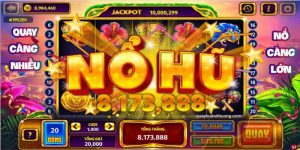
Nổ Hũ HitClub – Khám Phá Sân Chơi Đỉnh Cao Cho Tín Đồ Quay Hũ
Nổ hũ HitClub là một trong những cổng game đầy hấp dẫn và nổi bật [...]
Th12
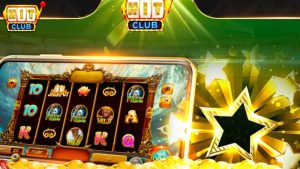
Game Bài HitClub Đầy Hấp Dẫn – Trải Nghiệm Chơi Game Không Thể Bỏ Lỡ
Game bài HitClub đang trở thành một trong những lựa chọn hàng đầu cho những [...]
Th12
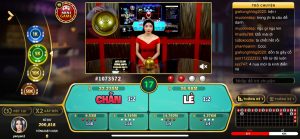
Xóc Đĩa HitClub – Khám Phá Thế Giới Chơi Cá Cược Trực Tuyến Hấp Dẫn
Xóc đĩa HitClub là một trong những trò chơi cá cược trực tuyến hấp dẫn [...]
Th12

HitClub | Thông báo lịch cập nhật và hitclub bảo trì hệ thống 2025
Xin chào quý khách, chúng tôi xin cập nhật lịch hitclub bảo trì hệ thống [...]
Th12
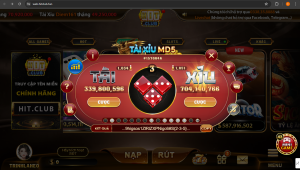
Chơi tài xỉu Online tại cổng game HitClub
Chơi tài xỉu online tại cổng game HitClub là một trong những sự lựa chọn [...]
Th7

Một số câu hỏi thường gặp về cổng game HitClub hot nhất 2025
HitClub là một trong những sân chơi cá cược lớn với hàng trăm nghìn lượt [...]
Th6